thailand
February 2024
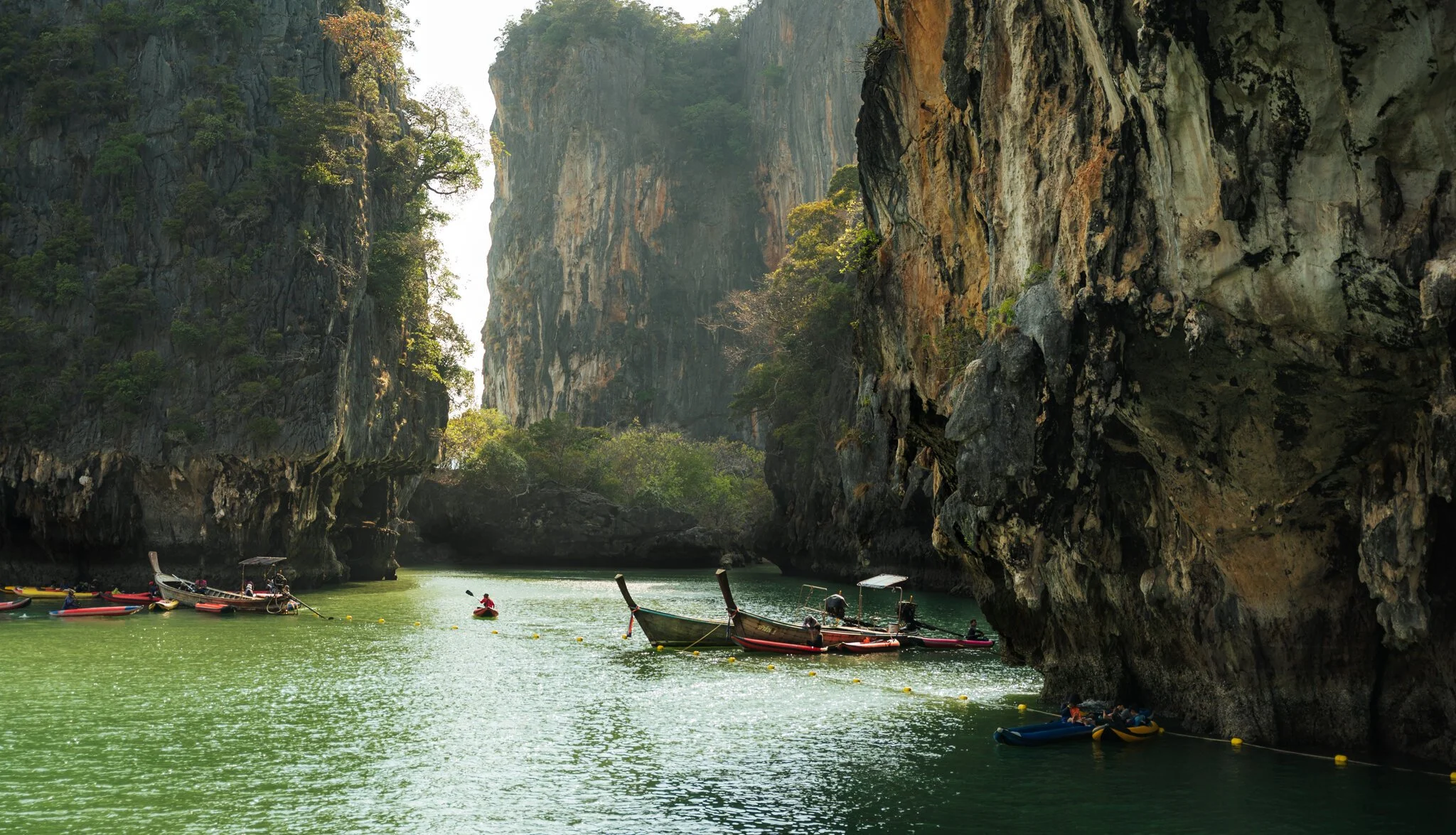
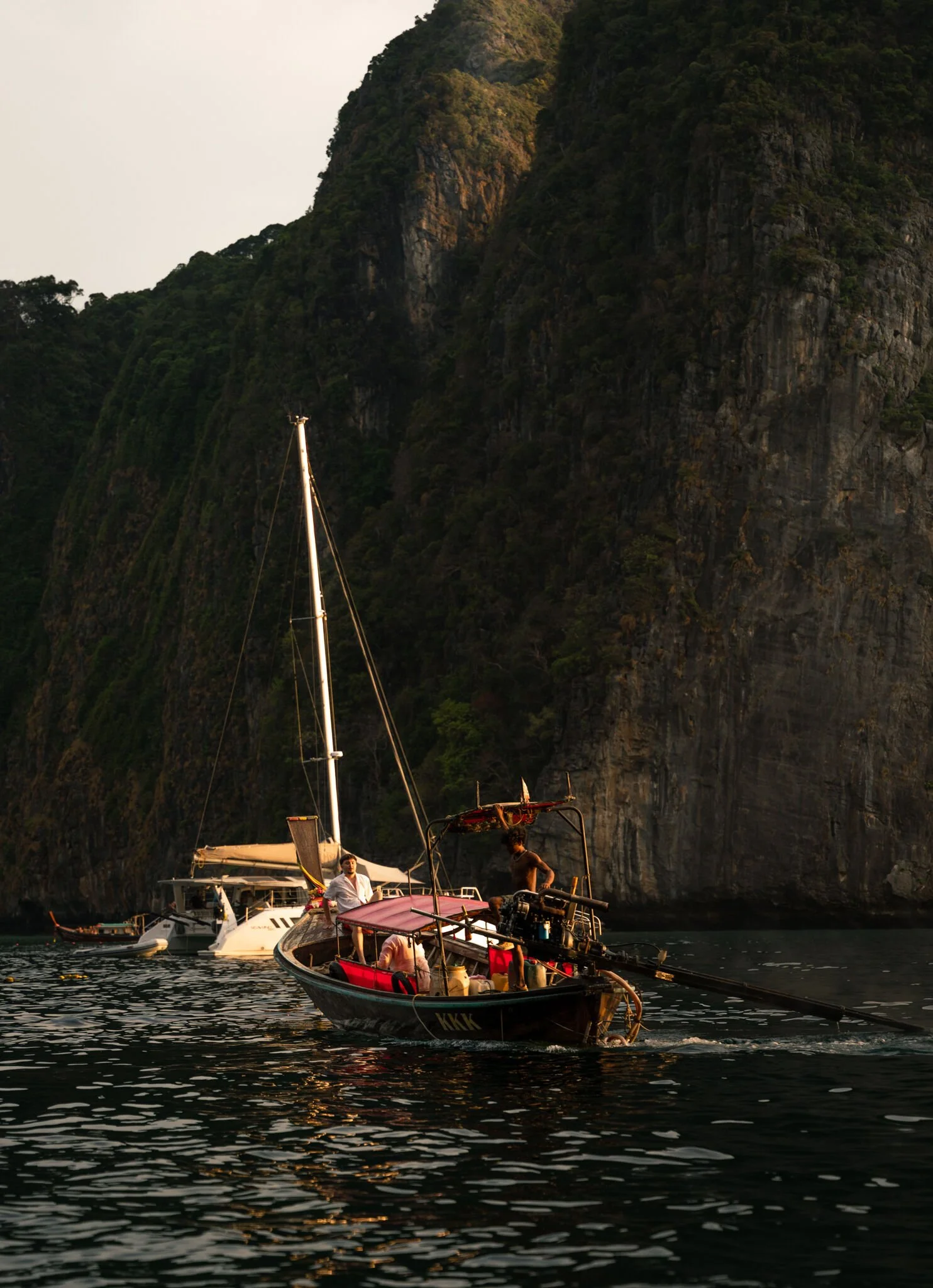
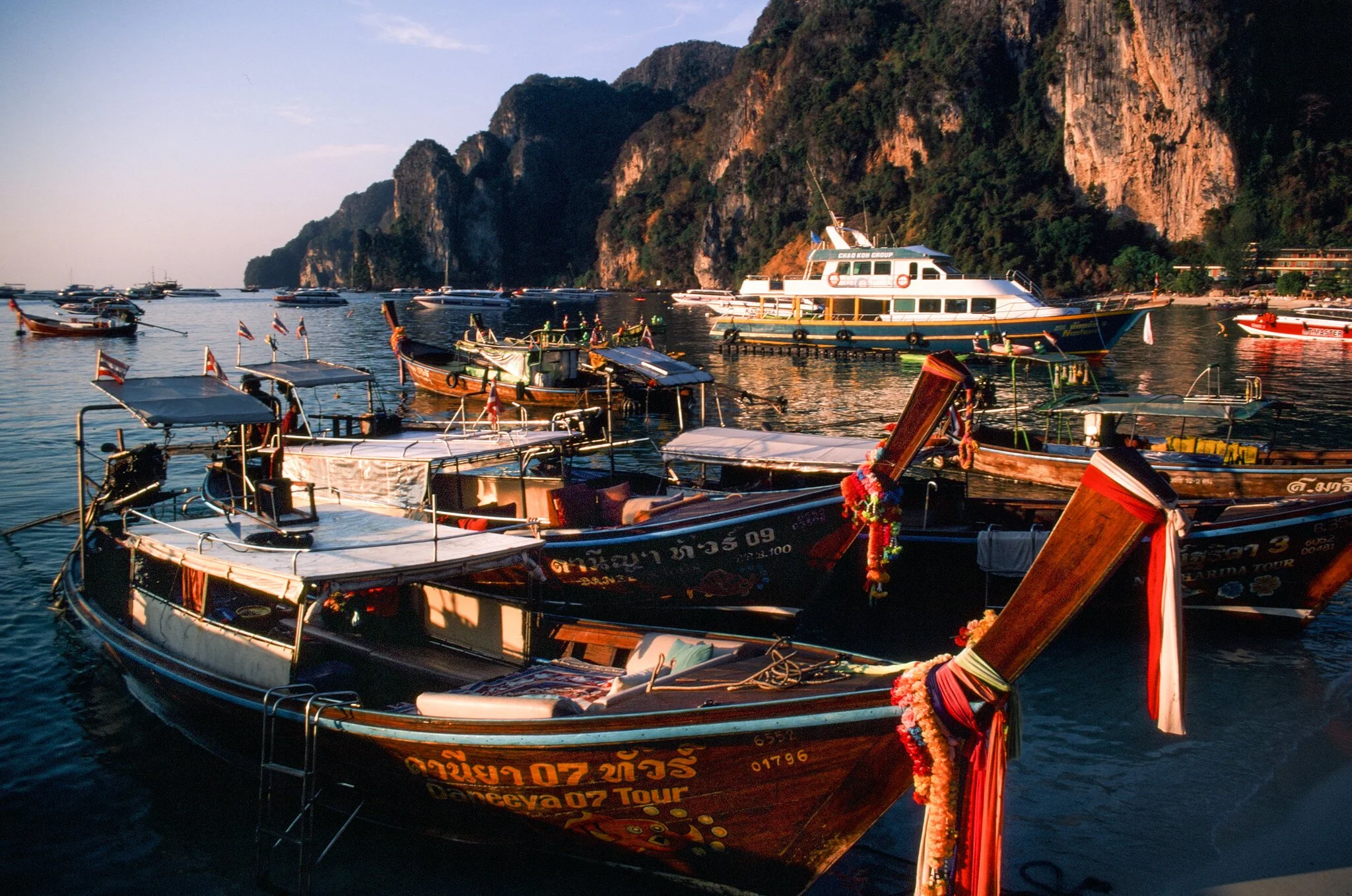
A longtail boat amid the Phi Phi Islands
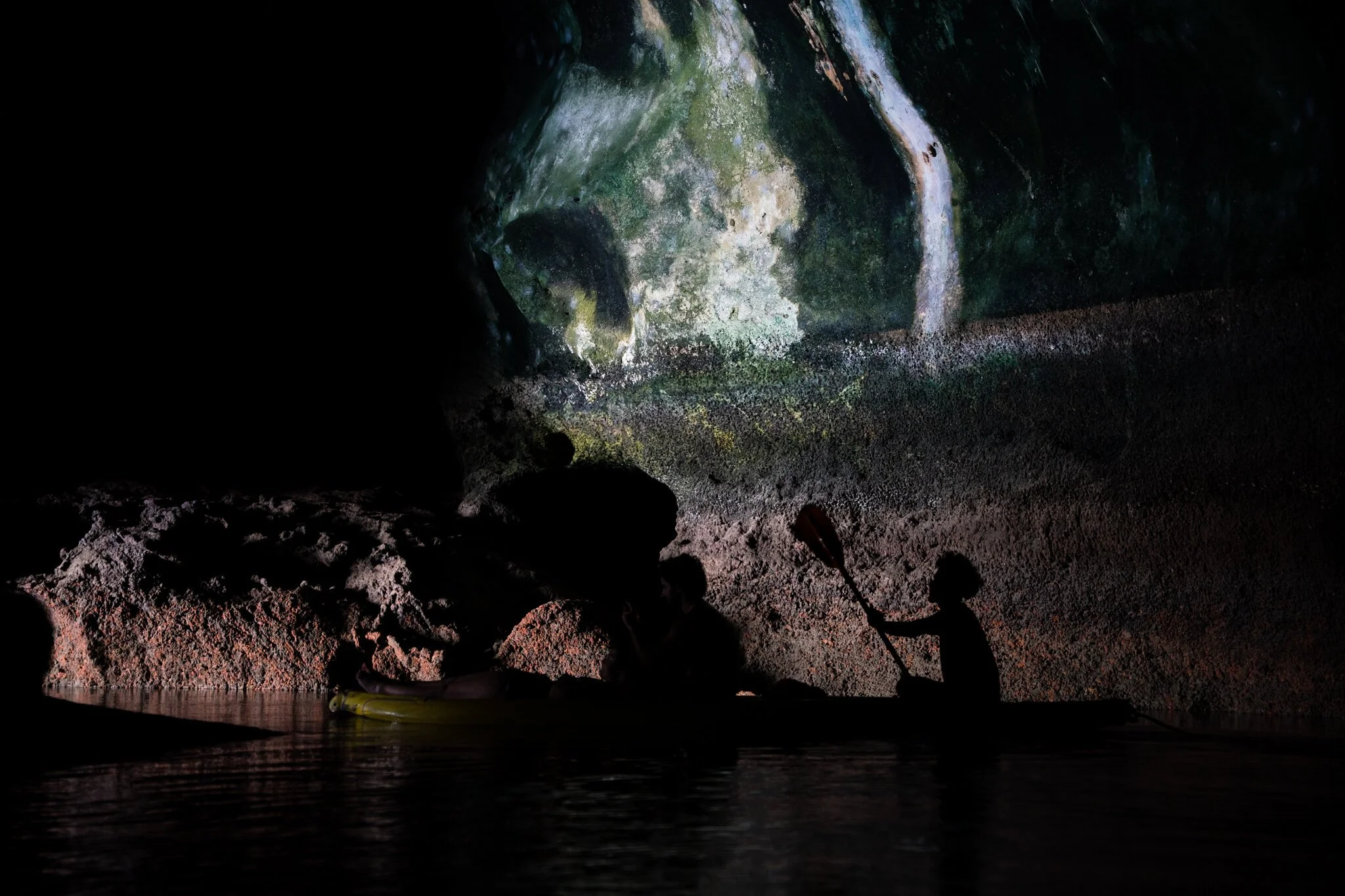
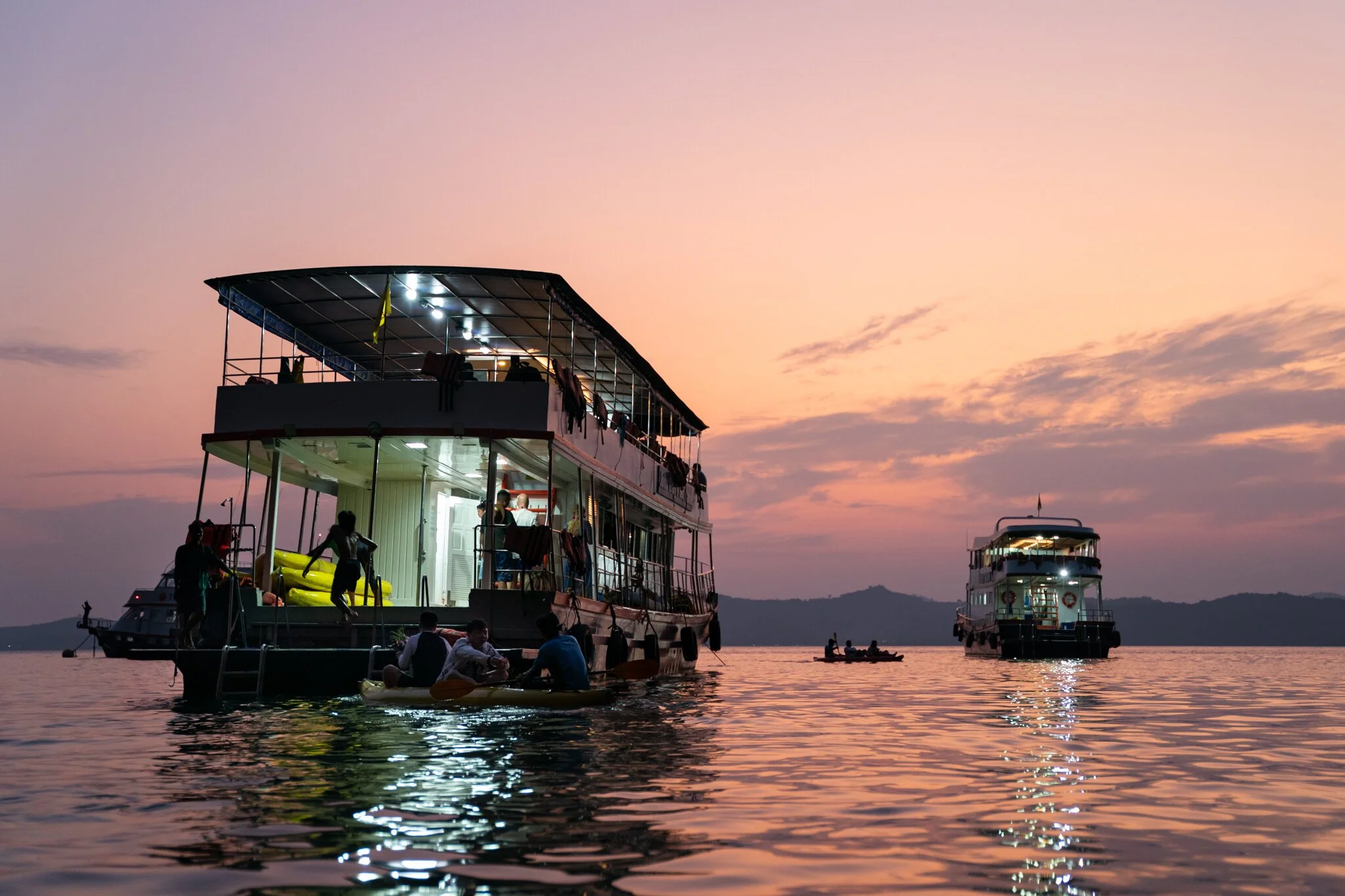
A series of photos covering three weeks spent across the entire country, from the mountainous Chiang Mai to the tropical paradise of Phi Phi Island. It’s an untamed culture that thrums with some sort of, for lack of a better term, Jungle Energy - the kind that makes a tuktuk driver giggle as he rips out smoking cables from the back of his taxi, or a longtail boat captain offer a bamboo trunk packed with pot, or hacking a path through the jungle to follow swinging gibbons seem like the norm.
I tried to document images that pulled on my heartstrings, like the abused elephants in the Phuket Elephant Sanctuary. Others are simply landscapes that I found beautiful, of which there are many. I hope they all capture a bit of the heat, humidity, and ever-present Jungle Energy.
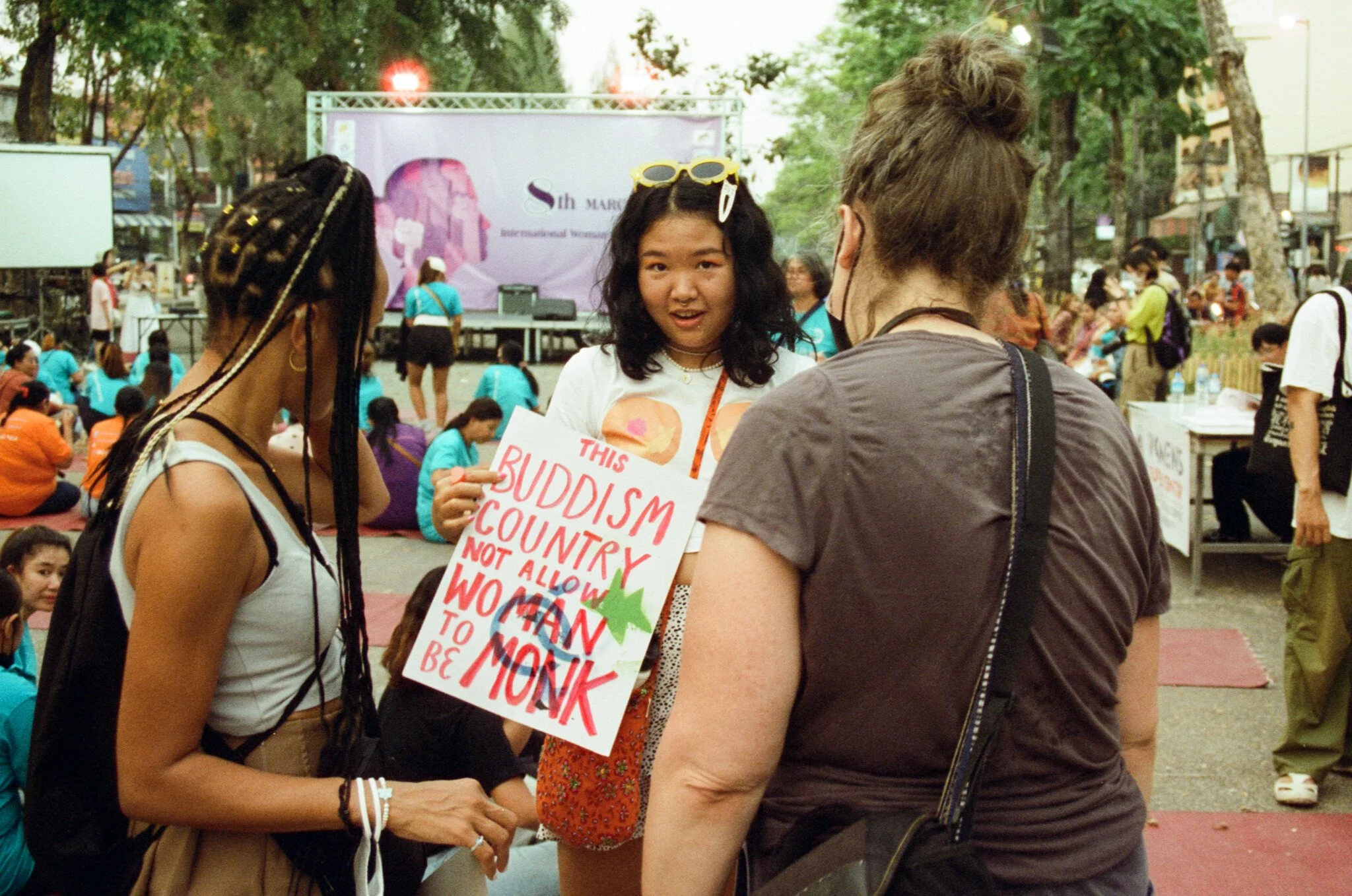


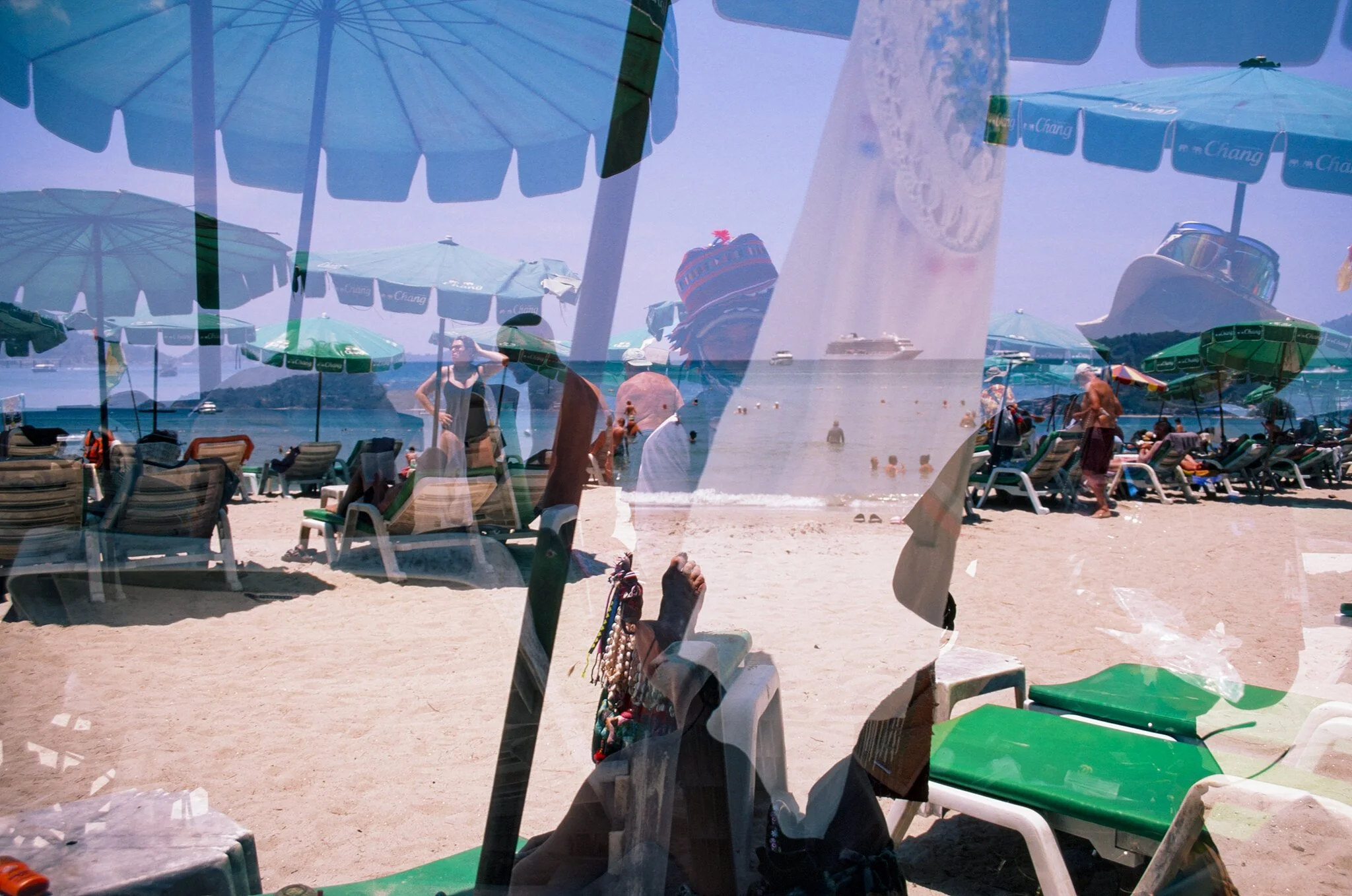
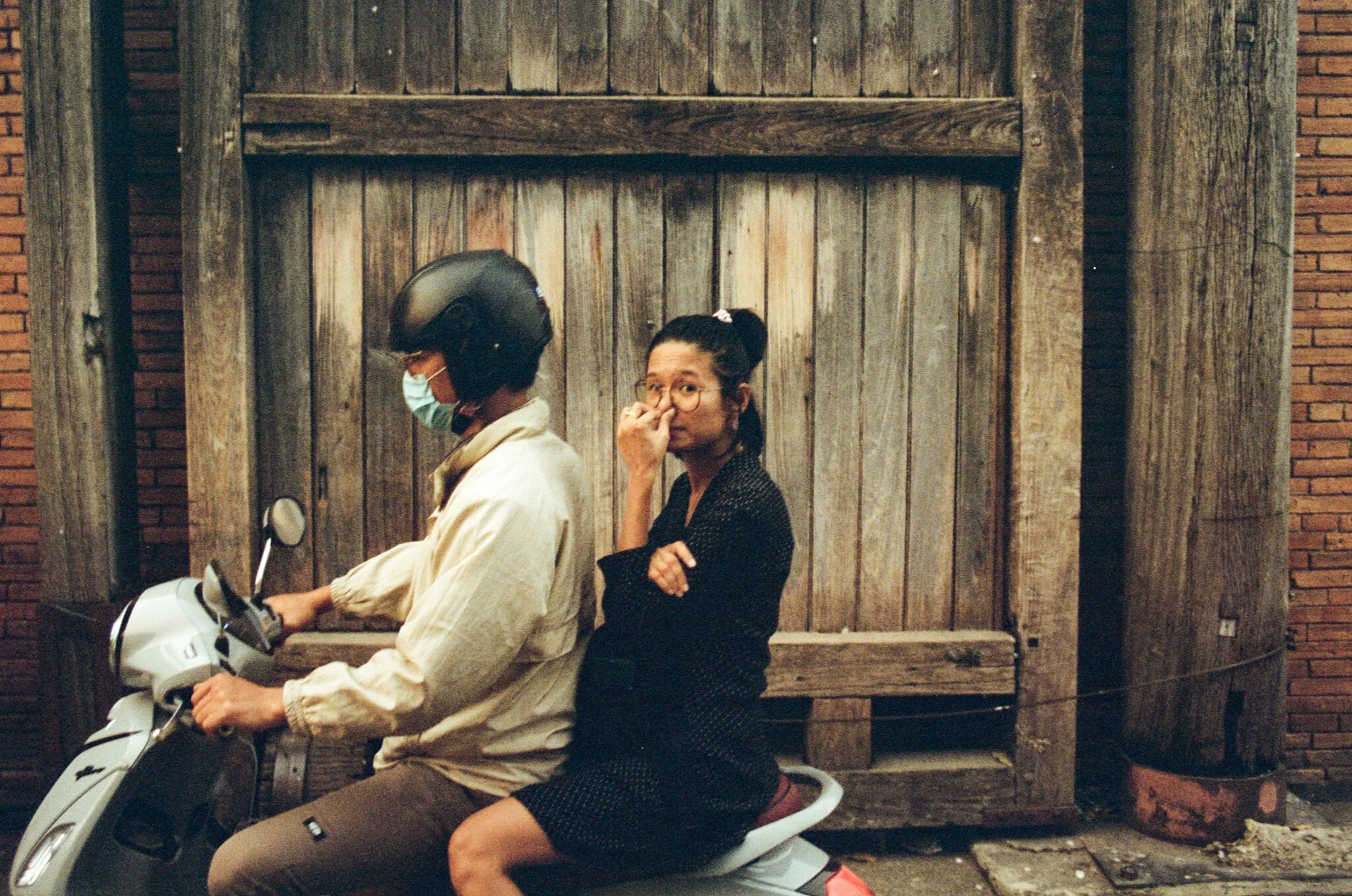
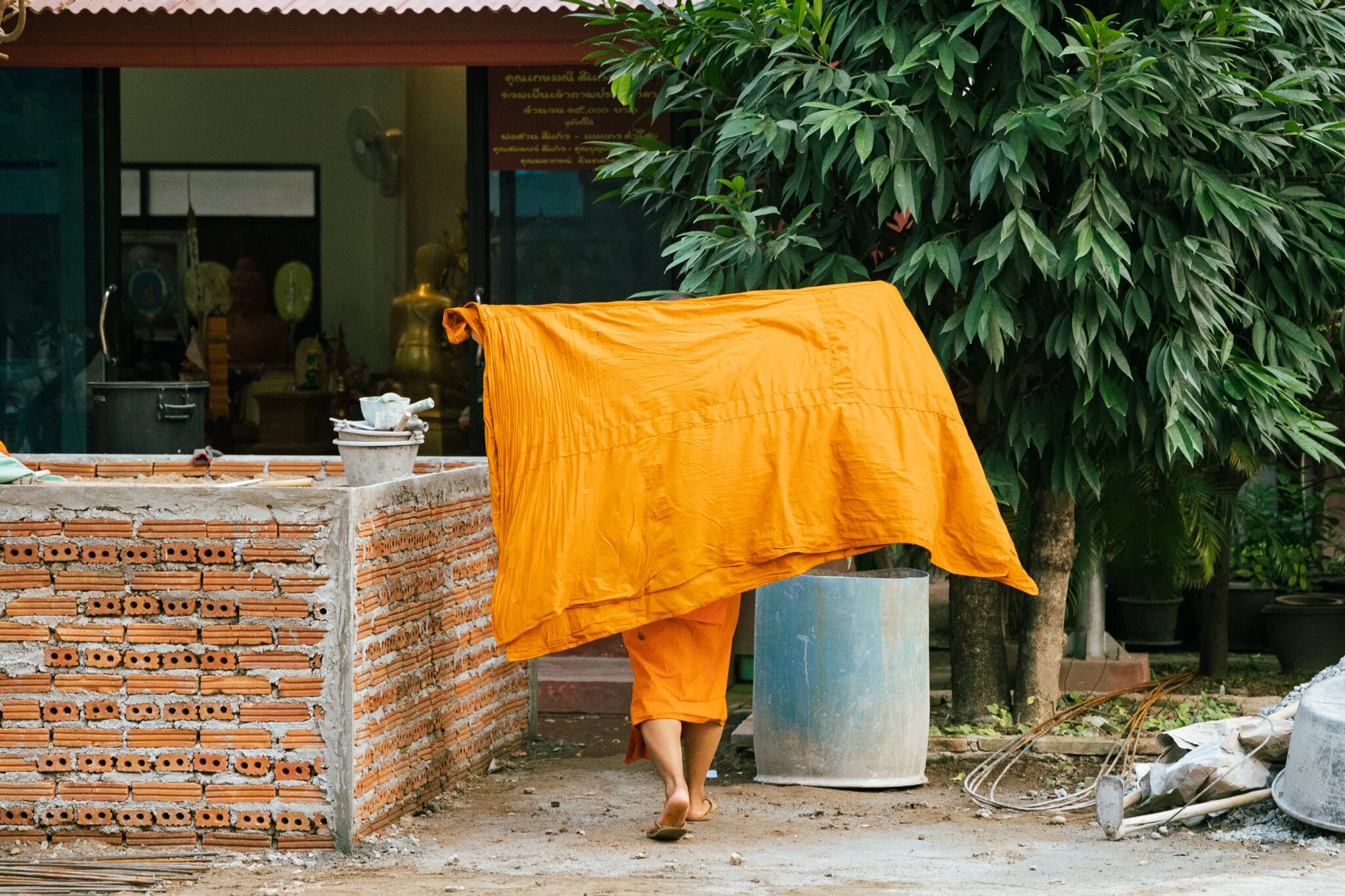

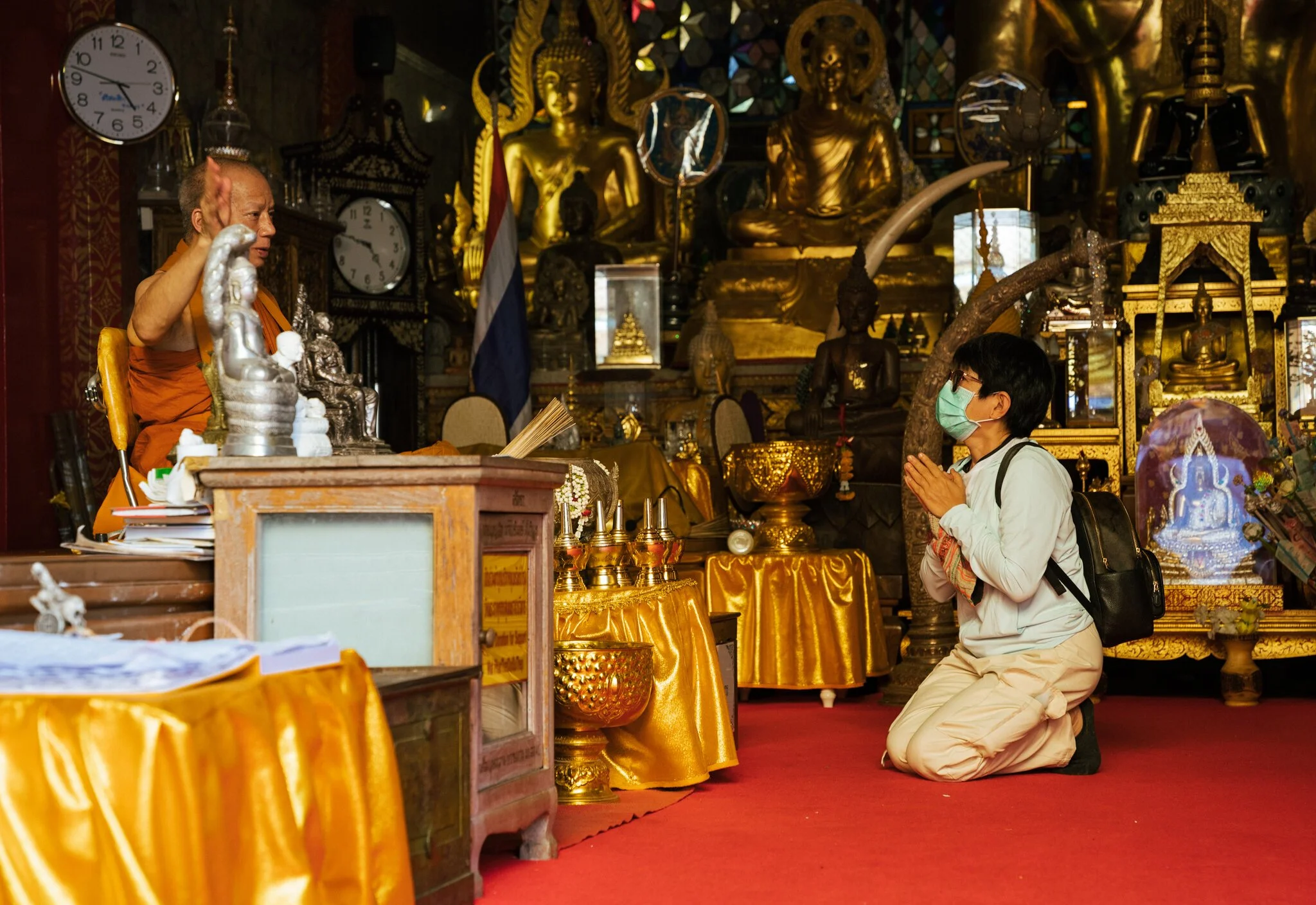
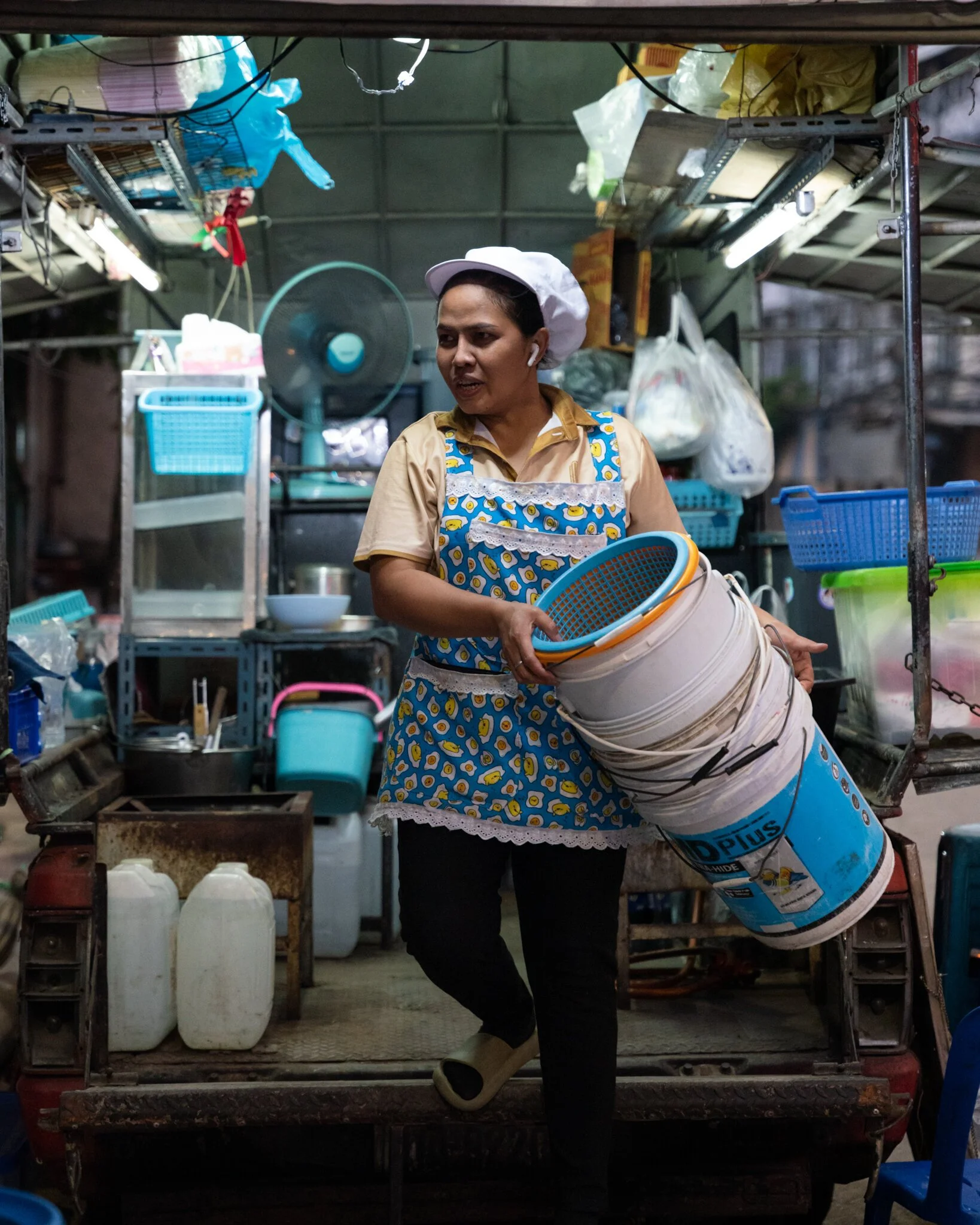
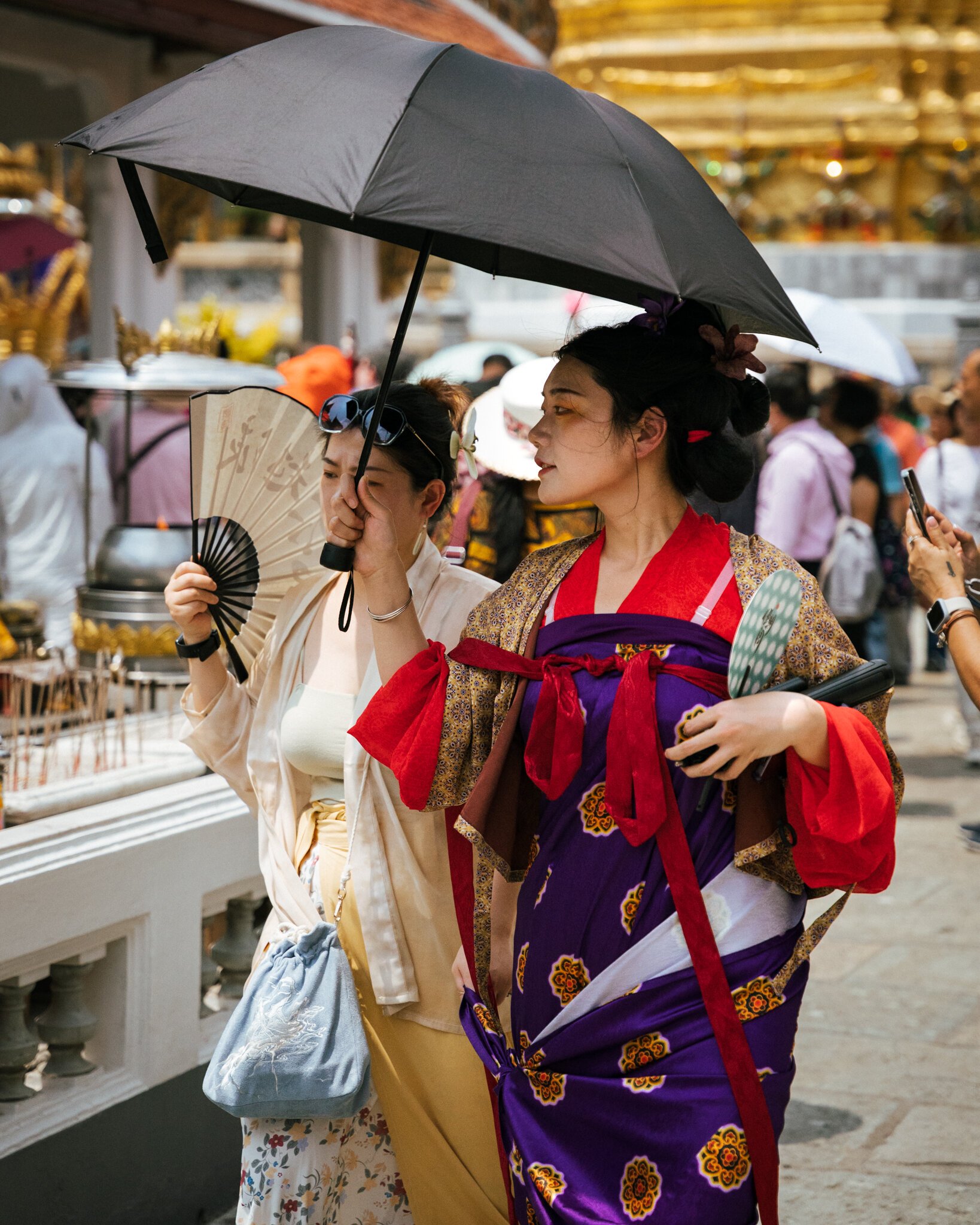
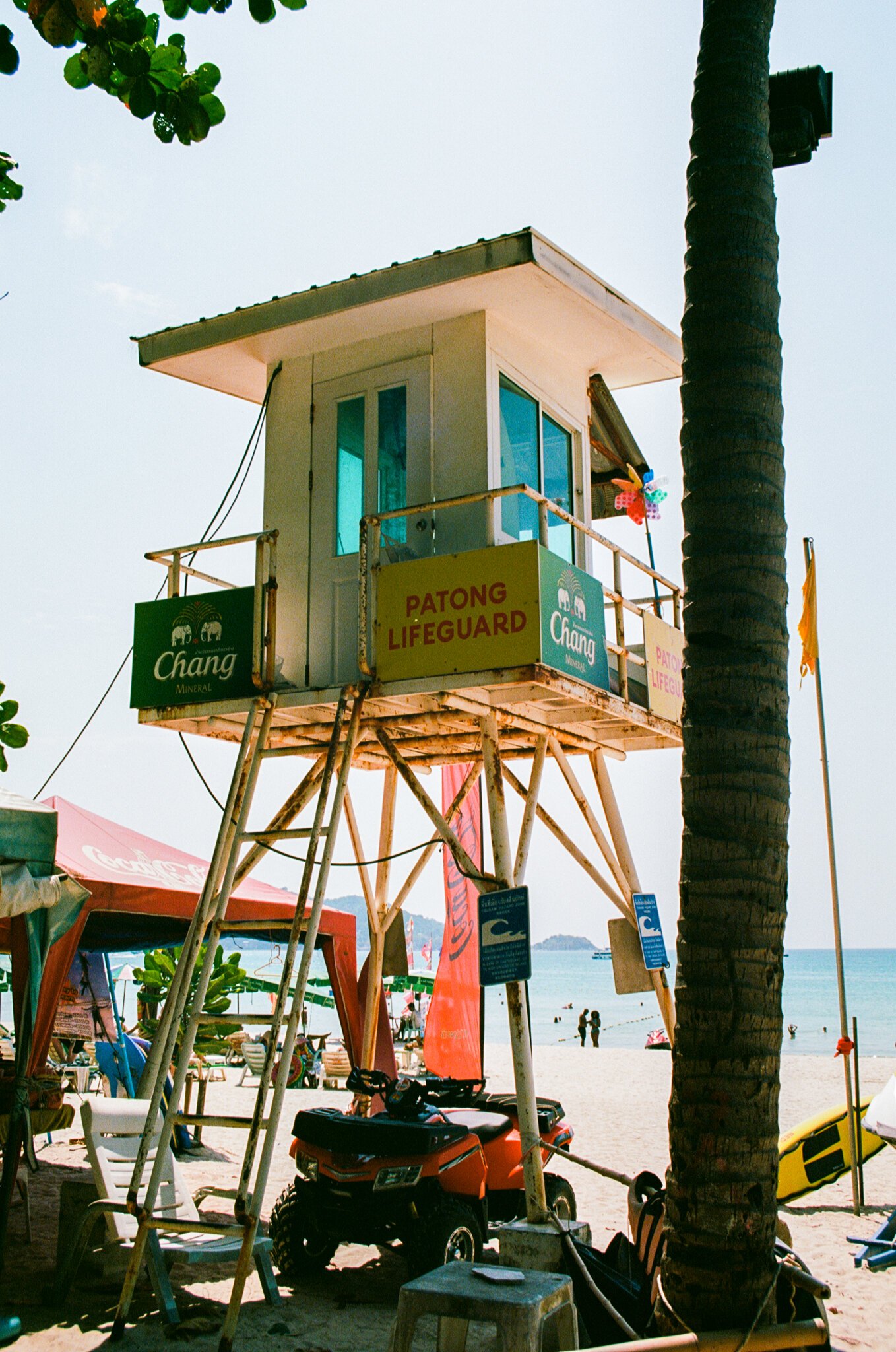
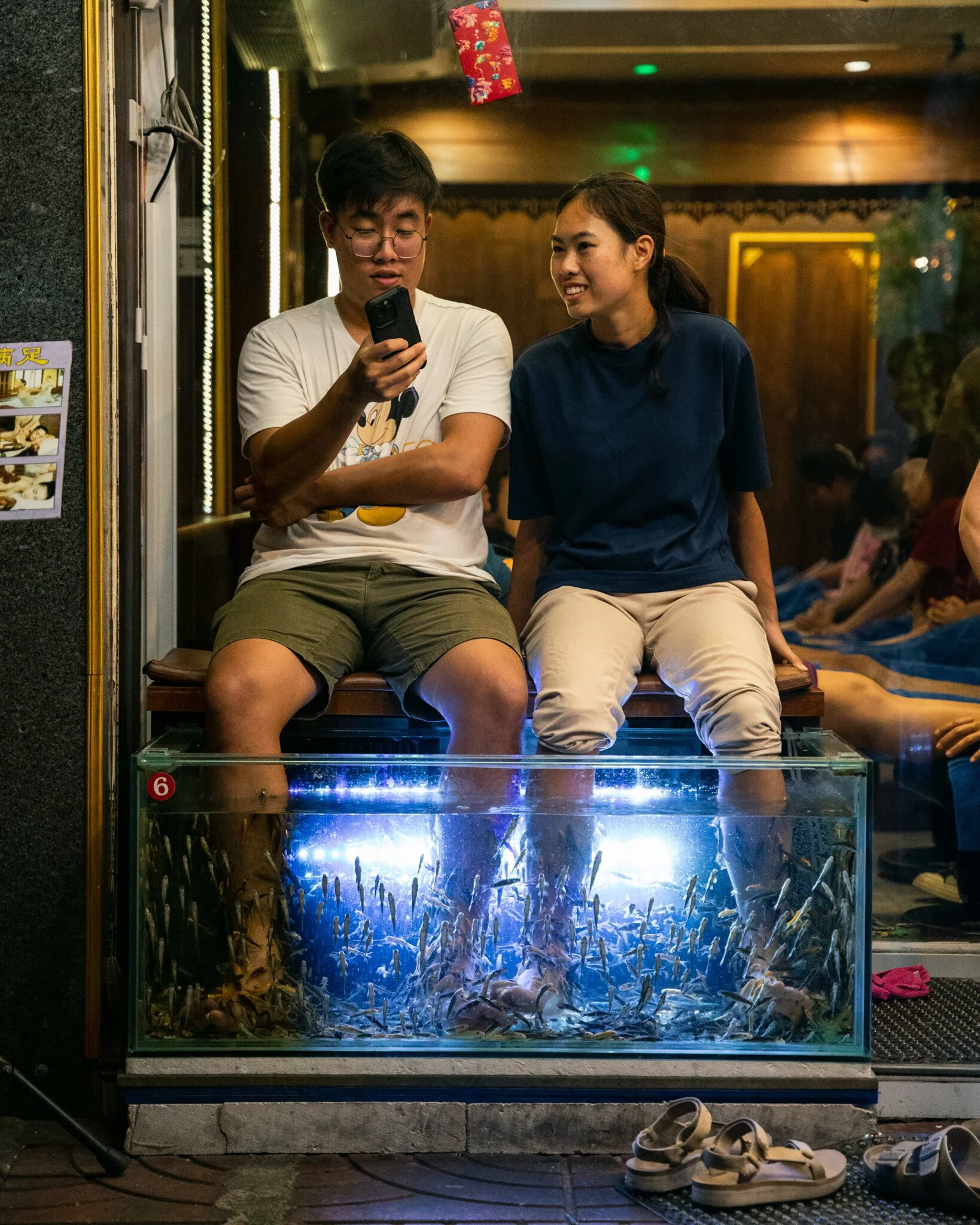

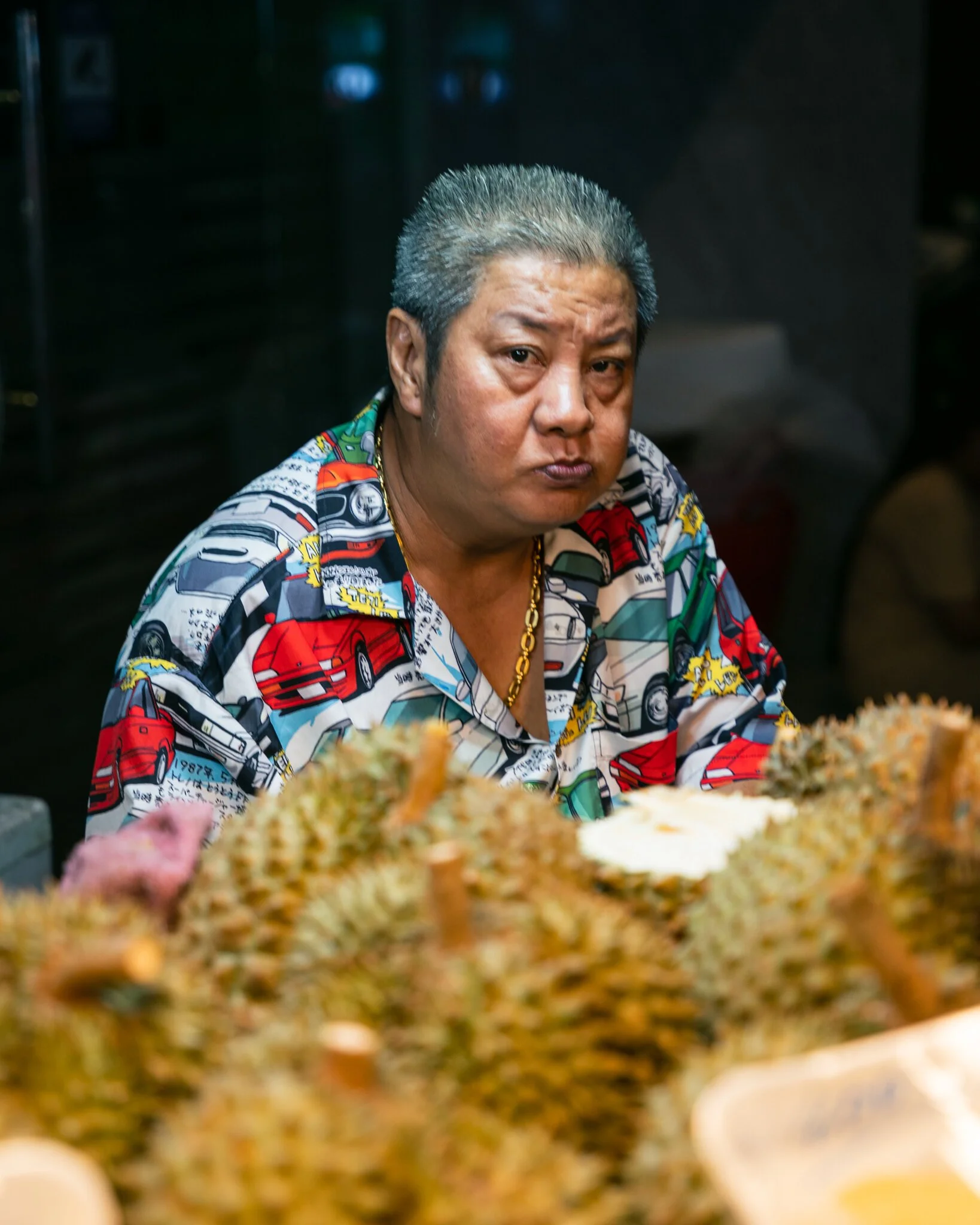
On the street
A collection of both film and digital images.
The Macaques of Big Buddha
Mirror
I arrived at the Big Buddha temple in Phuket, Thailand just after sunrise and prepped as usual, setting up the tripod and scouting the area. When I returned, my bag was upside down, contents strewn across the floor. I spotted the thief a few yards away: a long-tailed macaque (Macaca fascicularis) perched over my bag of chips, unscrewing my bottle of Coca-Cola with the ease of an adult human. I walked over in disbelief, only to find another macaque rummaging through my bag the moment I turned my back. I had enough. From now on, my things would stay on my back.
As the sun rose, hundreds of macaques emerged from shelters built on the side of the hill. Like a morning commute, they formed a highway making their way to an abandoned cell tower at the top of the hill. Up there, steel beams and wire melded with old fig trees. Macaques surrounded me. I spent the rest of the day studying these curious monkeys.
They played on the tower’s roof, climbed on my head. While it would be preferable to think they merely enjoyed my company, the reality is far more dire. Thousands of visitors feed the monkeys despite signs warning against doing so, ensuring a stable but unnatural diet for these macaques. This may contribute to their urban population growth, but their proximity to humans and learned dependance on human food harms the overall health of the species.
I found myself face to face with an adult long-tailed macaque (Macaca fascicularis). We made eye contact for a brief moment, each recognizing the other at a level of awareness I had never experienced outside of another human being. Its facial features were so familiar, but so primate; its eyes in particular bore such similarity to homo sapiens that looking into them was uncanny, yet thrilling. I wanted to capture this through a close-up portrait with a shallow depth of field.
Although numerous in Phuket, long-tailed macaques are an endangered species under the IUCN (International Union for Conservation of Nature). They are the most commonly used primate species in the world for biomedical and pharmaceutical research, which has driven the capture of at least 450,000 macaques over ten years for global trade. Their population has experienced a 50-70% decline over three generations due to this exploitation and habitat loss.
A popular American saying is that “you can’t hate up close.” While most people in the world will not have the opportunity to come face to face to a macaque, I hope the detail in this image might encourage a few to see a part of themselves in these precious primates the same way I did.
Adolescent males, playing among steel and cables like a jungle gym.
strangers in their own home
During a chilly night in Khao Yai National Park, Thailand, an adult male Asian elephant (Elephas maximus indicus) stood on the road. He remained totally still despite the headlights that began to spotlight his waxy skin. In fact, he stayed so still I wondered aloud if it were a statue, having never seen an elephant in person before. He crossed the road into the forest after a long time, imperceptibly and with slow steps. Despite the infrastructure present in the image, this male is one of only 3000 remaining wild elephants in Thailand. Humans have encroached so far into their natural habitat that they must learn to navigate roads, trucks, and headlights. Logging and farming have shrunk their habitats into three key protected areas including Khao Yai, fragmenting the population into dozens of smaller groups. Elephants are now forced to raid farmers’ crops, resulting in injury and death on both sides.
The other half of Thai elephants are mostly in captivity, forced to work in the tourism industry. They give rides and performances, often controlled by a hook embedded in their ear - captive elephants often have shredded ears because of this. Breeders typically keep the males until death as they can procreate into a late age, but they will sell older females to ethical elephant sanctuaries who raise money to rescue captive elephants.
These sanctuaries are an imperfect but effective solution to bring Asian elephants who cannot reintegrate into the wild to safety. They use “ethical” tourism to raise money to purchase the elephants; some sanctuaries only allow observation, some allow feeding and petting. All are committed to raising awareness about the plight of captive elephants and educating tourists on the dangers of using them as entertainment.
Asian elephants are listed as endangered globally by the IUCN.